SRT Sinkhole Post-Mortem Reccomendations
Background
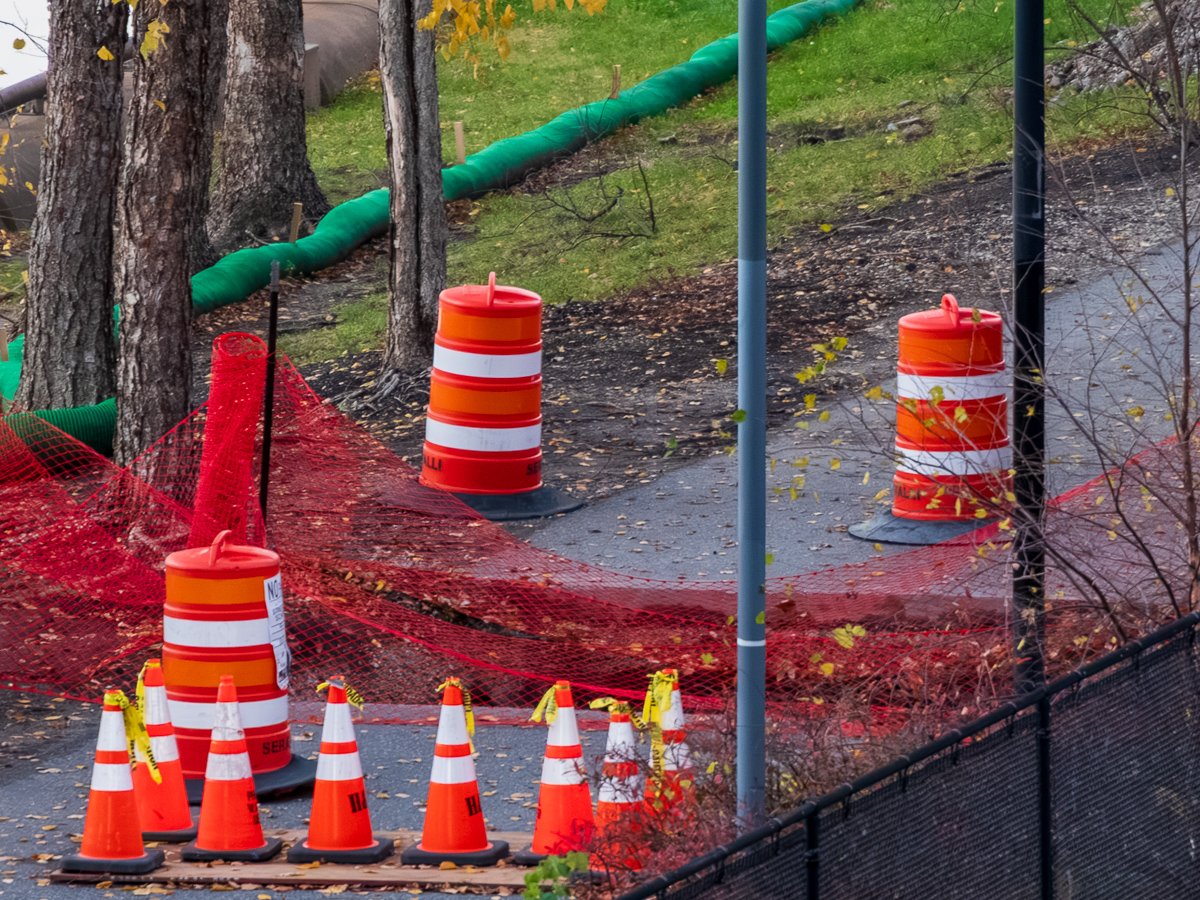
On October 21, 2025, a sinkhole closed the Schuylkill River Trail between Race Street and JFK Boulevard. The trail remained closed for 64 days, reopening December 24, 2025. The cause: gaps in a 1995 steel bulkhead allowed soil to erode with the tides over decades. This is not a one-time event. A 2017 sinkhole on the same trail took over two years to repair. Since 2015, the Streets Department has received over 17,000 sinkhole reports citywide, and 42% of Philadelphia's trails sit within the 100-year floodplain.
The Double Standard
When I-95 collapsed in June 2023, Pennsylvania mobilized an emergency response: 24/7 crews, a Governor-declared disaster emergency, federal funding, and a livestreamed reconstruction. The highway reopened in 12 days. The SRT sinkhole—serving the state's busiest bike corridor—took 64 days. There was no emergency declaration, no expedited timeline, no detour signage at trail entrances, and weeks were lost simply deciding which department was responsible. Pedestrians and cyclists deserve the same urgency as drivers.
Recommendations
- Pre-Assign Departmental Responsibility. Establish written protocols designating which agency handles trail emergencies before they occur. The December 4 meeting to assign responsibility to Streets came six weeks after the closure. This delay is avoidable.
- Create an Emergency Trail Repair Reserve. The Streets Department budget for FY2025 was $95.8 million. A modest annual set-aside for emergency trail repairs would ensure funds are available when failures occur. ITrail infrastructure built on fill is inherently prone to erosion—failures are a matter of when, not if.
- Develop Temporary Fix Standards. Maintain bridge plates or establish rapid-deployment contracts for temporary spans. Evaluate whether trails can remain passable via adjacent terrain or interim surface repairs during extended closures.
- Require Detour Signage and Public Timelines. Post detour information at all nearby trail entrances. Provide regular public updates with estimated timelines. Road closures affecting drivers include prominent signage and electronic message boards—trail users deserve equivalent communication.
- Consider Temporary Protected Detour Routes. When extended closures displace trail users onto streets, evaluate temporary protected lanes on parallel roads. The Market Street gap between 23rd Street and the trail entrance has no bike infrastructure.
The Schuylkill River Trail is critical transportation infrastructure serving hundreds of thousands of users annually. We urge Council to support proactive planning so that future trail emergencies are met with the same urgency and preparation the City brings to road emergencies.
Read more from The Circuit Trail about why funding is crucial to address issues like this sinkhole.